
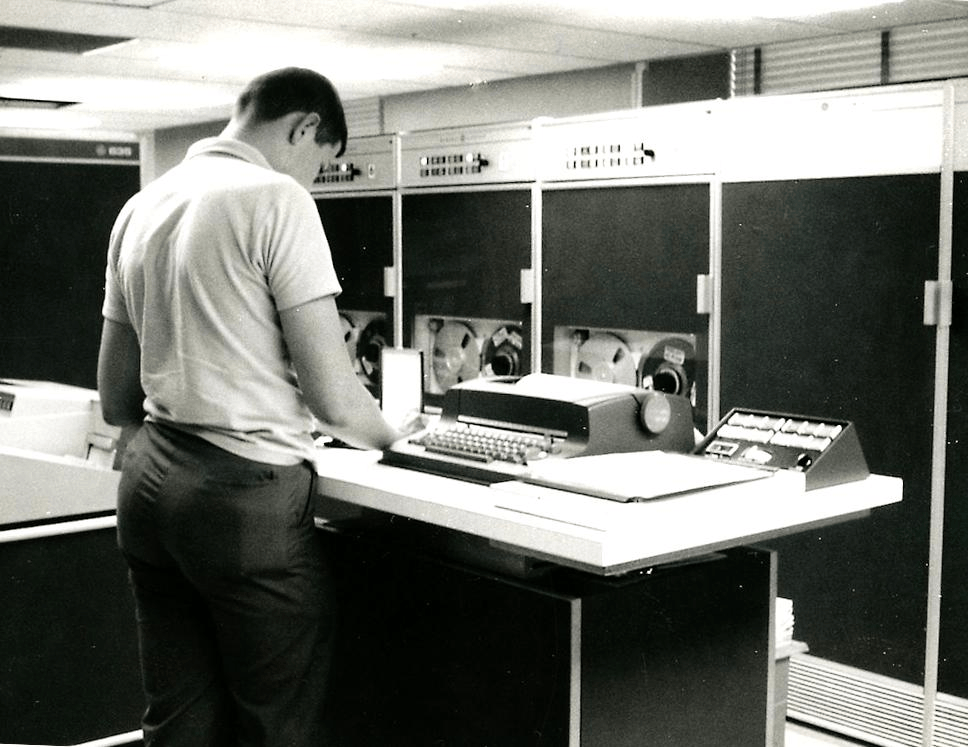
ELIZA….
Somewhere in the 1960s, I sat in front of a computer terminal that was connected to a room sized mainframe at MIT and encountered something that seemed almost magical……The program was ELIZA.
ELIZA could carry on what appeared to be a conversation with you. By today’s standards, what it was doing was extraordinarily simple. But at the time, the idea that you could type something into a computer and have the computer respond in something resembling ordinary language was remarkable.
Of course, being a kid, I immediately put this revolutionary technology to its highest possible use. I asked it inappropriate questions about my private parts and very creative medical conditions those parts might encounter, like “How many cans of baked beans do I have to eat to fart myself into the air?”
I thought the responses were hilarious. Juveniles are at their creative best when technology matches wits with their fertile pubescent minds.
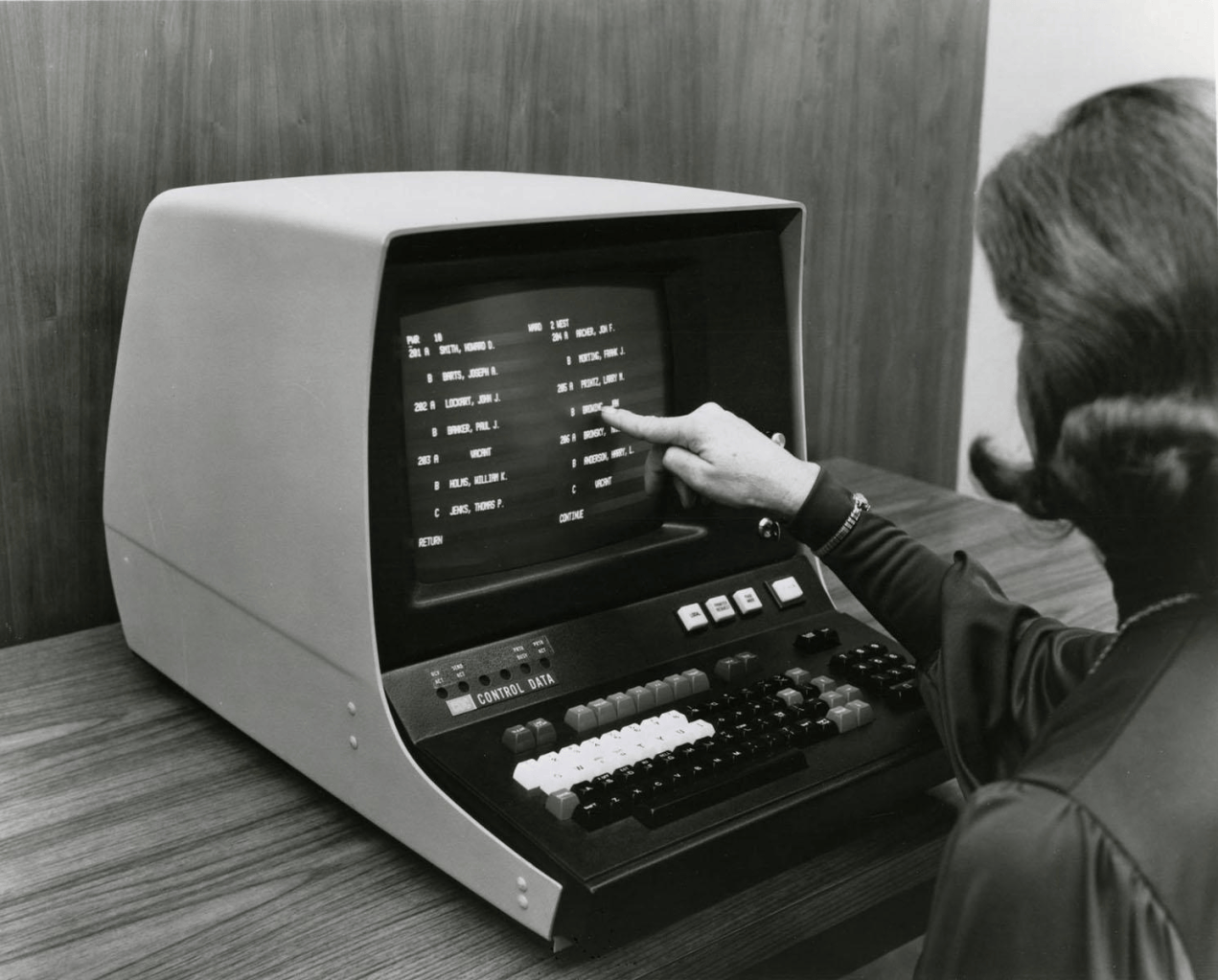
I certainly wasn’t sitting there contemplating the future of artificial intelligence, natural-language processing, neural networks, or how computers might someday become part of our everyday human decision-making.
I was trying to make the computer say something funny to my questions..
More than half a century later, I find myself having conversations with a computer again.
Except the conversation has changed. And so have I. (almost)
From ELIZA to ChatGPT
ELIZA didn’t really understand what I was saying. It recognized patterns in text and generated responses according to rules written by its programmers.
But sitting at that terminal, there was nevertheless a glimpse of something important: computers might someday become machines we could communicate with rather than simply machines we programmed.
The decades that followed brought astonishing changes.
Mainframes gave way to minicomputers. Personal computers appeared on our desks. Networks connected them. The Internet connected the world. Computers moved into our pockets and on our wrists. Processing power that would once have seemed unimaginable became commonplace.
And eventually artificial intelligence reached a point where I could sit down and have an extended conversation with a system like ChatGPT.
That became particularly meaningful to me during an experience that seemingly had very little to do with computer science:
Getting a new knee.
A New Knee—and a Different Kind of Computer Conversation
My Total Knee Replacement began another kind of journey.
Rehabilitation isn’t simply a matter of following a sheet of exercises. You experience sensations, setbacks, improvements, questions and uncertainty.
Why does this hurt today?
Am I progressing?
Should I increase this exercise?
Why can I do something today that was difficult two weeks ago?
What’s happening to the muscles around my knee?
What should I expect next?
Those questions accumulated.
And I began discussing them with ChatGPT.
Something interesting happened as those conversations continued.
The experience became increasingly useful.
Part of that came from the technology. The conversation accumulated context about my rehabilitation, the exercises I was doing, the observations I was making and the questions I had previously asked.
But another part came from me.
I became better at talking to AI.
I learned what information was important to provide. I learned how to formulate questions more precisely. I learned to ask follow-up questions when an answer wasn’t quite what I needed.
And ChatGPT increasingly responded in the style I found useful.
In other words, we became better calibrated to one another.
Not because the computer had become my friend or developed feelings about my knee.
Something more technically interesting was happening.
The computer had become increasingly capable of working within my context.
From Rehabilitation to Return to Fitness
Eventually the objective changed.
Rehabilitation gradually became Return to Fitness.
That’s an important distinction.
Rehabilitation asks:
How do I recover from surgery?
Return to Fitness asks:
What am I capable of becoming now?
The conversations changed accordingly.
Instead of concentrating primarily on healing, range of motion and basic function, I could begin thinking about strength, endurance, exercise progression and rebuilding physical capability.
The AI didn’t replace my surgeon, physical therapist, medical judgment or my own observations.
It occupied a different role.
It became a tool for thinking.
I could describe what I was experiencing, ask questions, explore possible explanations and organize what I was learning into something I could understand and act upon.
That is a very different experience from the computer terminal I encountered as a kid.
The Part I Find Remarkable
There is an extraordinary technological story connecting those two experiences.
The kid typing inappropriate questions into ELIZA and laughing at the answers couldn’t possibly have understood where this technology was heading.
Neither could most of the adults.
The hardware changed beyond recognition.
The software changed beyond recognition.
And our relationship with computers changed with them.
I grew up in a world where humans had to learn the language of computers.
Today I can describe what my knee feels like after an exercise in ordinary English, explain what I did yesterday, compare it with last week, and ask an AI system to help me think through what those observations might mean.
That’s an astonishing transition to have witnessed within one lifetime.
And the Journey Isn’t Finished
Perhaps that’s what I appreciate most.
I got to see the beginning.
I watched computers move from specialized machines accessible to relatively few people into personal tools used by billions.
I watched the Internet emerge.
And now I’m watching artificial intelligence change what it means to interact with a computer.
My own tiny history with that transformation stretches from trying to embarrass ELIZA to using ChatGPT as part of the intellectual scaffolding around recovering from a Total Knee Replacement and returning to fitness.
There’s something wonderfully symmetrical about that.
At both ends of the story, I’m still sitting there asking the computer questions.
The questions have simply gotten better. And, fortunately, so have the answers.


Hey Don, I just read your latest blog (above) and can’t figure out if it’s more interesting to talk with you or to read your essays. For the record, you still have the edge but would like to engage in a discussion about some of them. What do you think? If you like the idea, I’d like to set up a day/time to discuss some of your thinking. Let me know what works for you. On another subject, we finished “Just a chicken soup from Cambridge”. Absolutely incredible. If my Mother ever knew about this, I would never have heard about ”Avgolemono soup” my all time favorite Greek cure for anything that ails you, from cold and flu to the aches and pains of every day professional climbs up the corporate ladder to existing in today’s political climate. That said, If it’s not protected by some arbitrary Trump Executive Order I’d like the recipe with the understanding that I will share it only with Linda. Thanks for considering this request. Meanwhile tomorrow I will return the Pyrex container we’ve been holding hostage for two days. Thanks Don.
Charles Stefanidakis Cell: 978-764-3647 Email: charlestef@gmail.com
LikeLiked by 1 person