
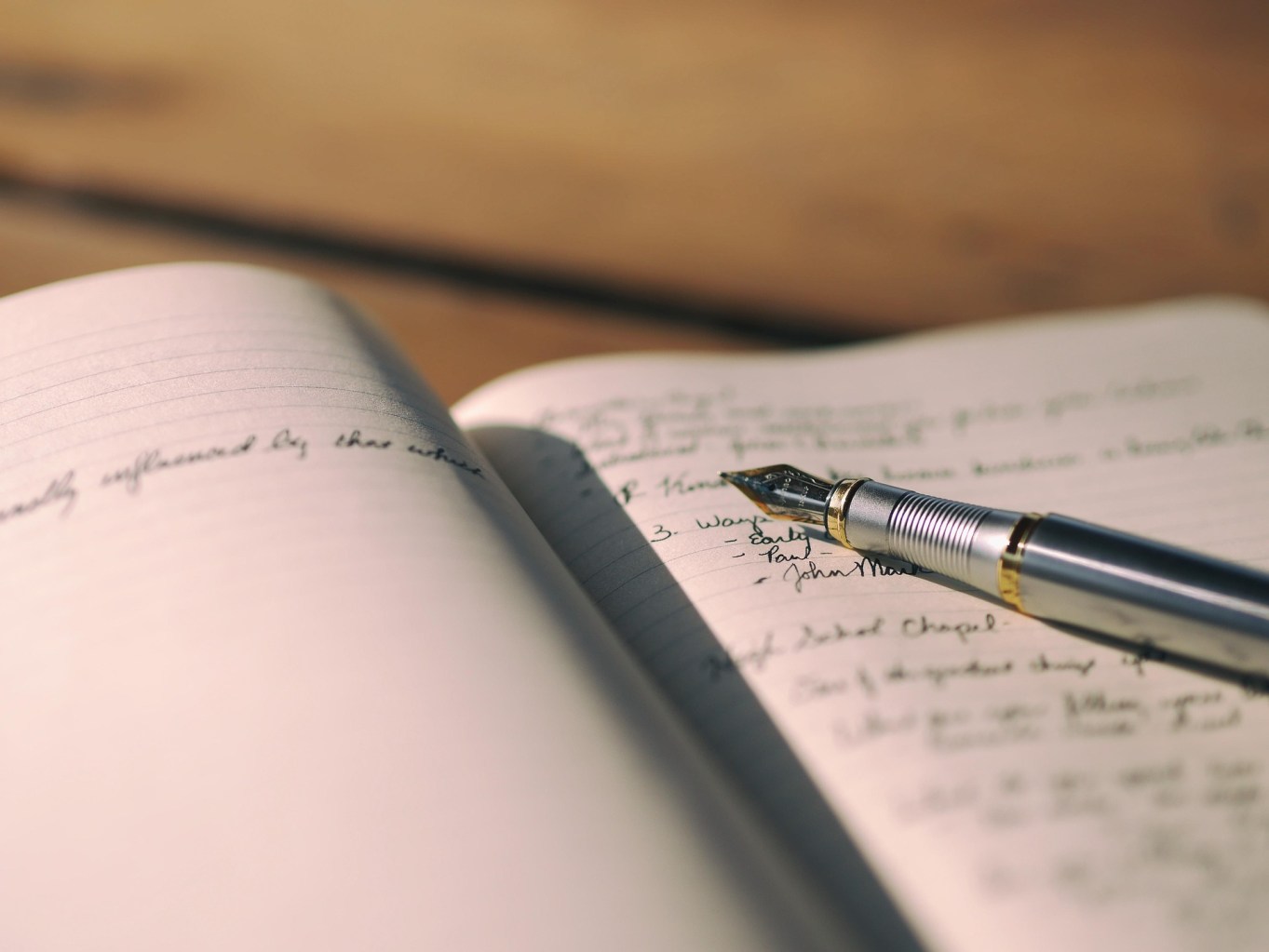
The Spoon and the Notebook
Looking back over the years, most of what I write about are reflections on my life. Those reflections touch on relationships, family, beliefs, health, friendships, purpose, loss, joy, and a host of other subjects that, in the end, are all about life itself.
It makes me wonder.
If we gathered every surviving book, letter, diary, poem, newspaper, scripture, legal document, scientific paper, blog post, and social media comment ever written, what would we find? Would the most common themes be some variation of the same questions that occupy our own thoughts? Love. Family. Power. Faith. Survival. Meaning. Death. Hope.
In other words, do we spend most of our lives writing about life?
And if so, to what end?
Perhaps writing is more than communication. Perhaps it is a way of making sense of our experience. A way of examining what happened and asking ourselves what it means. A way of preserving lessons learned so they are not lost when we are gone.
Yet as I thought about this, another question surfaced.
If writing is the notebook, what is the spoon?
The notebook helps us remember. It allows us to revisit a moment, examine it, and discover meaning that may not have been apparent at the time. Much of what I write begins this way. An event occurs, a memory returns, a conversation lingers, and only later do I understand why it mattered.
But life is not meant to be lived entirely in the notebook. …..The spoon is for tasting.
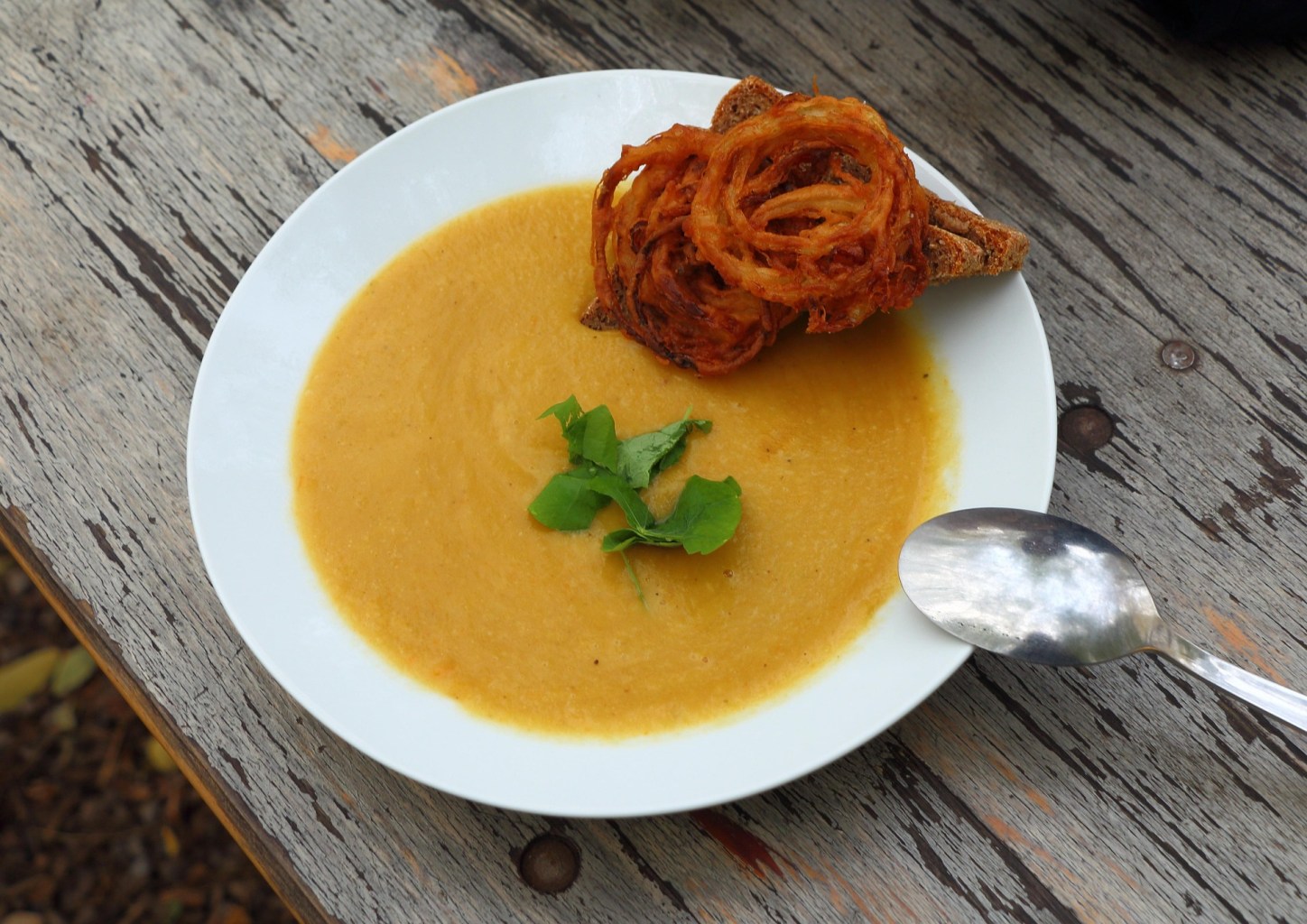
Too much spoon and we may drift through life without understanding it.
It is the ability to savor life while it is happening rather than only after it has passed. It is noticing the warmth of a morning coffee, the rhythm of a swim stroke, the laughter in a friend’s story, or the quiet comfort of sitting beside someone you love. It is experiencing the warm buttery texture and lingering flavor of life before rushing to explain it.
Too much notebook and we risk becoming spectators of our own experience, always analyzing but never fully tasting.
Perhaps the art of living well is learning to hold both at the same time.
To taste the soup while it is still warm.
To notice the aroma.
To enjoy the company around the table.
And then, later, to jot down a few notes about why that particular bowl mattered.
A diary captures a private life. A letter bridges a relationship. A scientific paper records a discovery. A scripture points toward a belief. A poem expresses a feeling that ordinary language struggles to contain. Though they appear different, each is an attempt to understand and communicate something about the human experience.
Maybe that is why stories endure.
Across centuries and cultures, people continue to ask remarkably similar questions. How should I live? What matters most? How do I love well? What should I believe? What happens when I fail? How do I face loss? What gives life meaning?
The circumstances change. The technology changes. The names and places change. Yet the questions remain.
Perhaps all writing is humanity carrying on a conversation with itself.
One generation speaks. Another listens. Then adds its own chapter.
And perhaps that is the answer to the question, “To what end?”
Not merely to record a life, but to understand it.
Not merely to understand it, but to share what we learn.
And not merely to share what we learn, but to help those who come after us navigate the same questions we have wrestled with ourselves.
In the end, maybe the goal is not to choose between the spoon and the notebook.
Maybe it is to carry both.
To live attentively enough to taste life, and reflectively enough to understand it.

