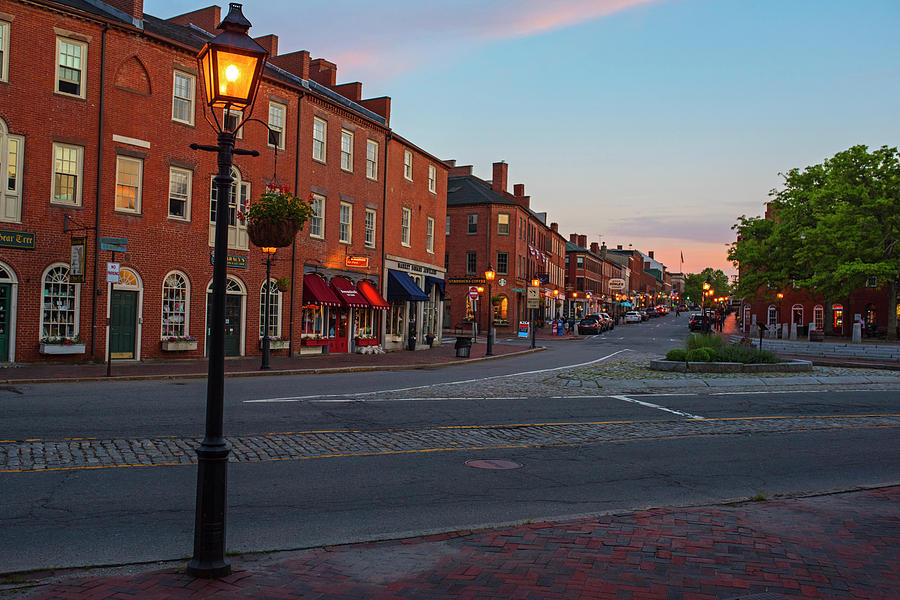
Using AI (Artificial Intelligence) to understand the old Greasy Village neighborhood.
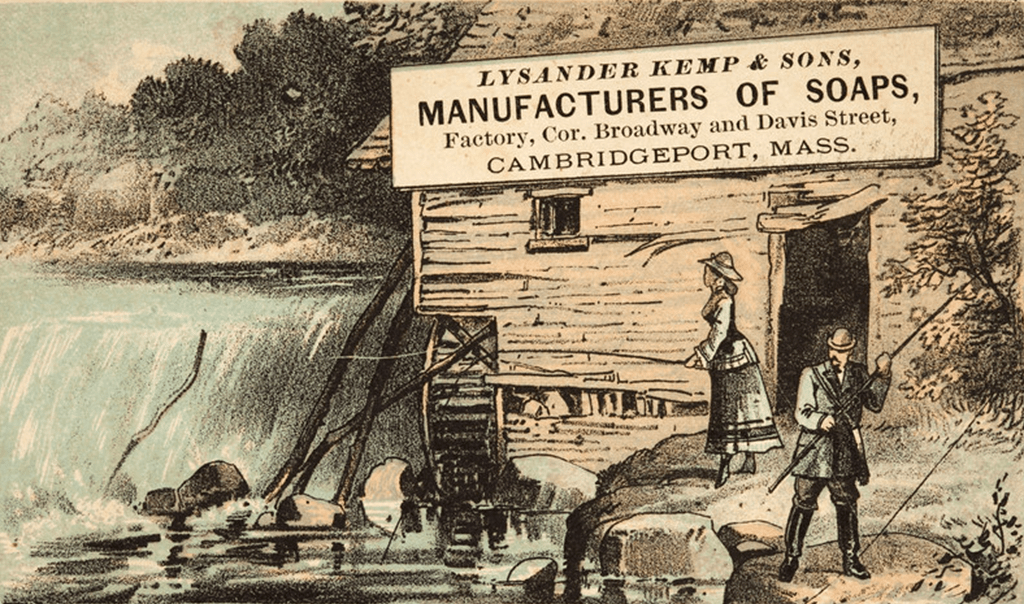
Trying To Get Started
Every once in a while I get writers block, meaning I can’t think or get excited about things I want to learn or write about. When I began writing this article I wanted to know more about the Greasy Village neighborhood in Cambridgeport that my Dad grew up in. I was told, it was named after a restaurant called the Greasy Spoon, but now I’ve discovered that the Greasy Village came from making soap which coincidently is not so greasy. What I found and how I discovered the answers is the focus of this blog post.
Using AI
My venture into AI (Artificial Intelligence) happened suddenly, in the way that most things happen in our lives: one day we’re mucking about on Google looking things up, and the next day we’re being prompted by an artificial intelligence tool to offer assistance with your query. One such tool is Meta AI which is an intelligent assistant that is capable of complex reasoning, follows instructions, visualizes ideas, and solves nuanced problems.
So there I was, staring at a blank screen and wondering how to get started, and the next I was logging on to ChatGPT (another AI Tool) to generate and outline for this blog post and then narrowed it down to simply the history of the Greasy Village neighborhood in ten seconds. Viola! Listed below are the answers to the questions I’ve been wondering about concerning the name Greasy Village. I hope you enjoy this trip down memory lane courtesy of AI…
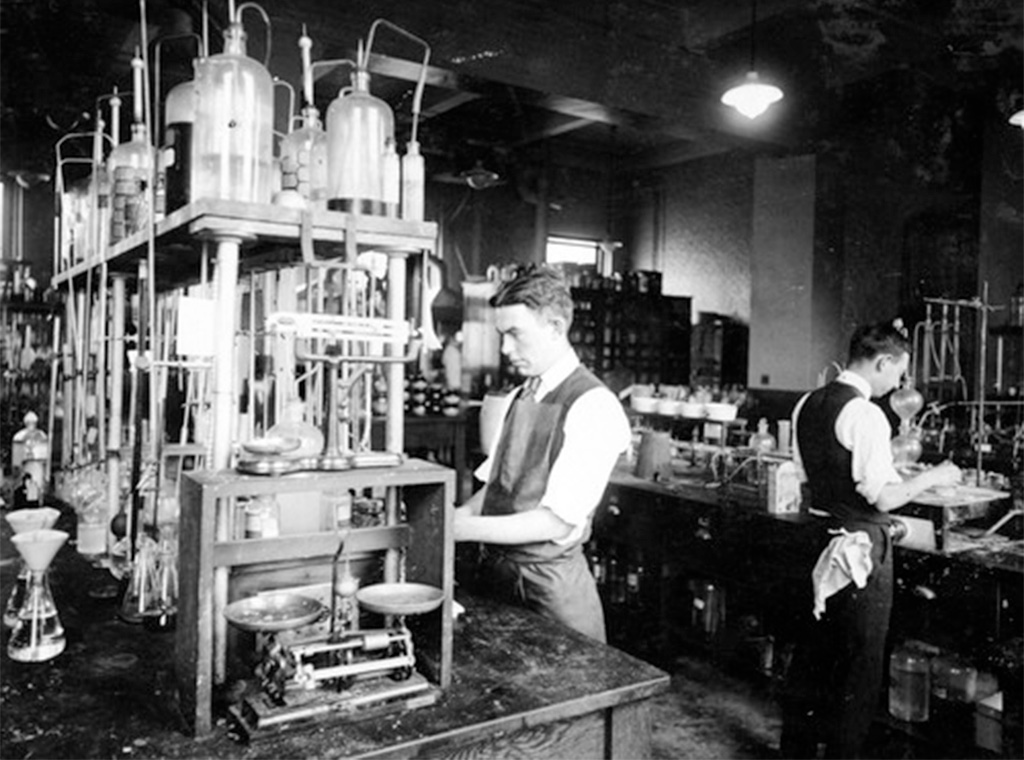
The History of Greasy Village in Cambridge, MA
Greasy Village, a distinctive and historically rich area within Cambridgeport, Cambridge, Massachusetts, has a unique and evocative past that reflects the industrial evolution and diverse community life of the neighborhood.
Origins and Development
The term “Greasy Village” emerged in the late 19th century as a colloquial name for the area around the soap and candle factories that dominated this part of Cambridgeport. The name was derived from the pervasive presence of animal fats and oils used in soap production, which would often spill onto the streets, creating a slippery and odorous environment. This was especially true around the Reardon Soap Works, established in 1856, which was a major contributor to the local economy and identity of the neighborhood.
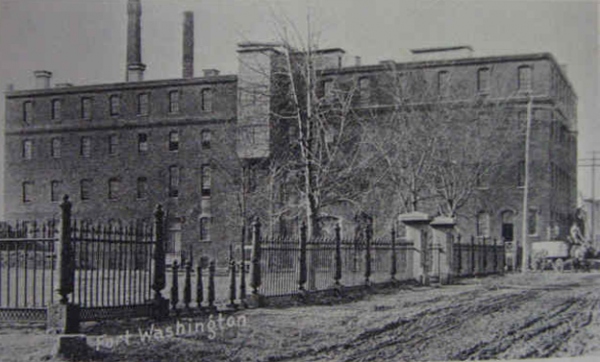
During its peak, the Reardon Soap Works factory, located at the corner of Putnam Avenue and Waverly Street, was a significant employer, providing jobs to over 100 workers. The soap-making process utilized various animal by-products, and the odors from the factory, along with the greasy residue left by spills, gave the area its memorable name (Universal Hub) (History Cambridge).
Economic and Social Life
Greasy Village was a bustling, working-class community. The factories not only produced soap but also tallow and other goods essential for everyday life at the time. As the candle industry declined due to the rise of gas and electric lighting, these factories adapted by focusing more on soap production and other oil-based products (History Cambridge).
The neighborhood was home to a diverse population, including Irish immigrants in the mid-19th century, followed by French Canadians, Italians, Portuguese, Poles, and African Americans during the Great Migration in the early 20th century. This melting pot of cultures contributed to the vibrant social fabric of Greasy Village, where communal ties were strong despite the challenging living conditions (The Cambridge Room).
Transition and Legacy
As industrial activities in Cambridgeport waned in the late 20th century, the physical and social landscape of Greasy Village began to transform. The once-prolific factories closed or moved, and the area underwent residential and commercial redevelopment. Many of the old two- and three-story homes still stand, albeit repurposed and modernized from their original uses, reflecting the neighborhood’s enduring spirit and adaptability (Universal Hub).
Today, while the name “Greasy Village” is not commonly used, the legacy of this area lives on in the memories of longtime residents and in the historical narratives preserved by local historians. It stands as a testament to the dynamic history of Cambridgeport and its role in the broader story of Cambridge’s industrial and cultural development (History Cambridge) (The Cambridge Room).
Further Reading and Exploration
To delve deeper into the history and transformation of Greasy Village, you can explore the following resources:
History Cambridge: Detailed articles and archives on Cambridgeport’s industrial past and community stories.
The Cambridge Room: Historical notes and photographs from the Cambridge Public Library’s archives.
Universal Hub: Personal recollections and narratives from former residents of Greasy Village.
These sources provide a comprehensive look at how Greasy Village evolved from an industrial hub to a diverse and vibrant residential community.
 The Bow Legged Blogger
Very interesting. 🧐
LikeLiked by 1 person
Thanks for reading
LikeLike
My grandfather, Michael Watson, worked for Reardon’s. He drove a team of horses carrying meat rendering from slaughter houses to the factory. His family and my other grandfather’s family all lived around the corner on Grove Avenue. I grew up hearing lots of stories about life at that time. Reardon let my grandfather go during the Great Depression.
LikeLike
That’s a great story…really paints a picture of that period in Cambridgeport. Thanks
LikeLike